
When it comes to colored gemstones, few debates are as enduring—or as passionate—as Colombian emeralds vs. Zambian emeralds. Both origins produce world-class green beryl, yet each carries a distinct geological fingerprint, visual signature, and market positioning that makes the choice anything but obvious.
Whether you’re purchasing an Emerald Engagement Ring for Women Oval Cut, a pendant, or a collector’s stone, understanding these differences will help you make a purchase you’ll treasure for a lifetime. In this comprehensive comparison, we break down everything from geological origins to price performance.
Emerald Origins: Where Do Emeralds Come From?
Before we compare Colombian and Zambian emeralds head-to-head, it’s worth understanding where emeralds come from geographically. Emeralds form in specific geological conditions involving beryllium, chromium, and vanadium—all present in just the right ratio under precise pressure and temperature conditions.
While emeralds are mined in approximately 20 countries worldwide, four origins dominate the market:
- Colombia: 50–60% of global production by value. The historical and prestige leader.
- Zambia: 20–30% of global production. The modern market leader by volume.
- Brazil: Steady production of commercial-grade material, often with yellowish tones.
- Ethiopia: Newer source, rapidly gaining market share with quality material.
- Afghanistan, Pakistan, Zimbabwe, Madagascar: Niche production for collectors.
Colombia: The Legendary Origin
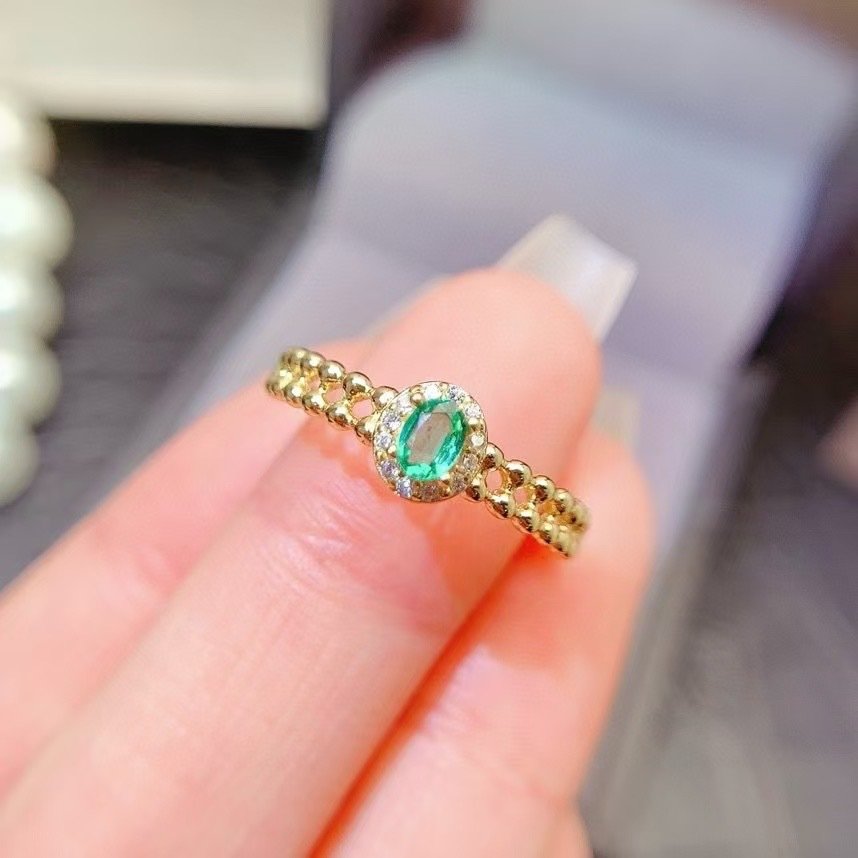
Muzo, Chivor, and Coscuez: The Three Pillars
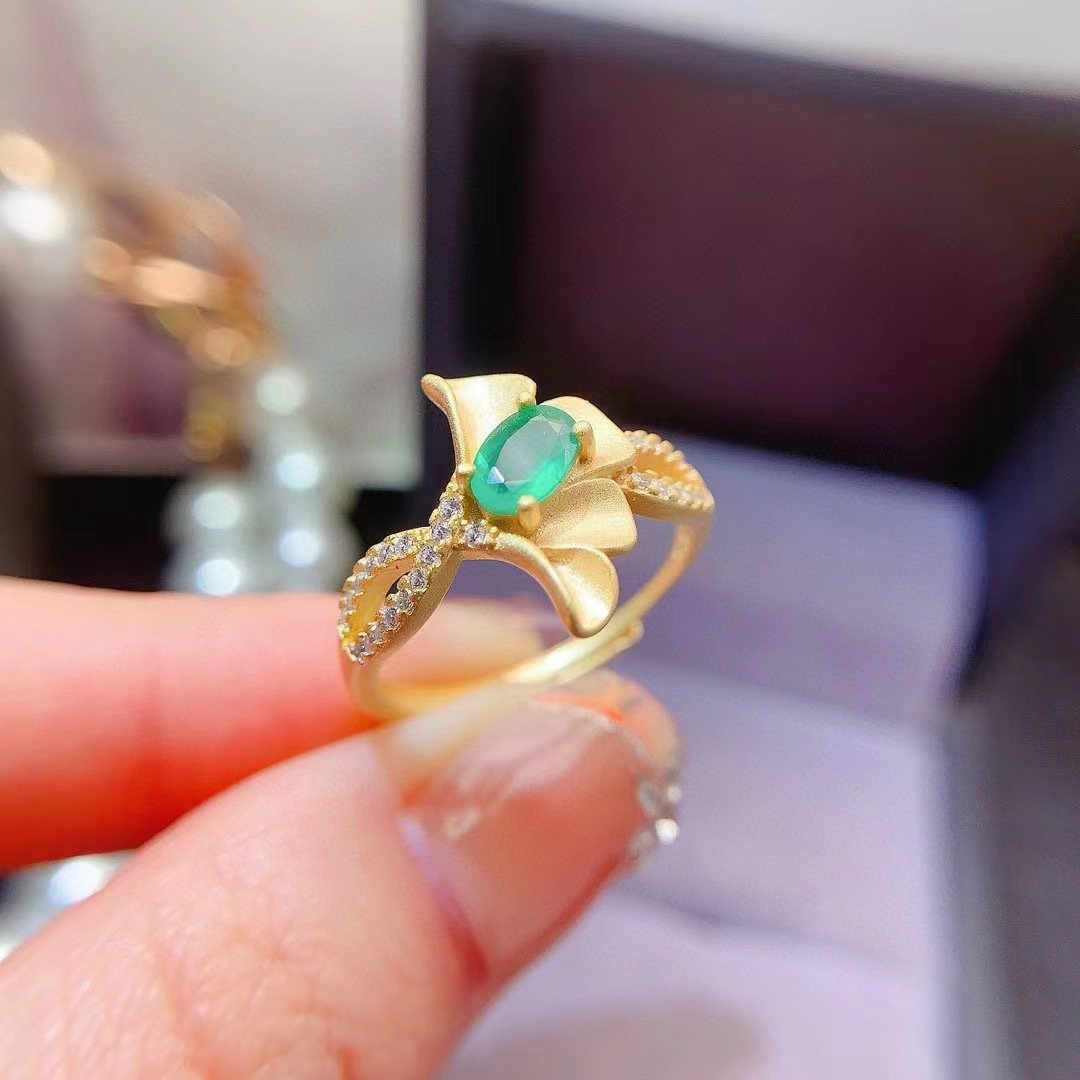
Colombia’s emerald mines are concentrated in two main belts: the Western Emerald Belt (home to the legendary Muzo mine) and the Eastern Emerald Belt (centered around Chivor). For over 500 years, these mines have produced what many consider the world’s finest emeralds.
The Muzo mine alone has supplied emeralds to Spanish conquistadors, European royalty, and today’s most discerning collectors. Colombian crystals tend to form in calcite and pyrite hosts, creating a unique chemical environment that produces their signature color.
The Colombian Blue-Green Signature
Colombian emeralds are celebrated for their distinctive blue-green hue—a cool, velvety green with natural blue undertones that is unmatched anywhere else in the world. This “Muzo green” is characterized by:
- Saturated color with a natural cool (blue) modifier
- Exceptional depth and luminosity
- Fine, evenly distributed inclusions that create a “silky” appearance
- A color that appears to glow from within, even in dim lighting
This is the benchmark against which all other emeralds are measured. The color is so distinctive that experienced gemologists can often identify Colombian origin by color alone.
Colombian Emerald Inclusions: The Three-Phase Fingerprint
Colombian emeralds typically contain three-phase inclusions—simultaneously containing a gas bubble, liquid, and a solid crystal (often halite, calcite, or pyrite) trapped within the same cavity. This inclusion suite is a definitive identification feature for Colombian origin.
These inclusions, combined with the often-present parallel tube structures, give Colombian emeralds their famous jardin—a soft, garden-like internal landscape visible under magnification. Rather than being seen as flaws, these inclusions are badges of authenticity and origin.
Zambia: The Modern Giant
The Kagem Mine: Africa’s Emerald Powerhouse
Zambia’s Kagem Emerald Mine—operated by Gemfields and considered the world’s single-largest emerald mine—has transformed the global emerald market since production ramped up in the mid-2000s. Located in Zambia’s Ndola Rural Emerald Restricted Area, Kagem produces a consistent supply of high-quality emerald rough.
Zambian emeralds formed in a completely different geological setting: the rocks of the Zambezi Belt, where chromium and vanadium were introduced through hydrothermal fluids into biotite schist. This different host rock produces a distinctly different emerald.
The Zambian Deep Green Character
Zambian emeralds are known for deep, rich green color—often with a darker, more forest-like green than Colombian stones. Key characteristics include:
- Deeper, more saturated green with less blue modifier
- Often better clarity than Colombian emeralds (fewer visible inclusions)
- Slightly higher transparency under normal viewing conditions
- A more modern, contemporary green that appeals to buyers seeking cleaner-looking stones
Many first-time emerald buyers actually prefer Zambian stones because their superior clarity makes the green appear more vivid and “clean” to the naked eye—without the characteristic jardin that defines Colombian stones.
Zambian Emerald Inclusions: Cleaner But Not Clean
While Zambian emeralds tend to be cleaner than Colombian material, they are not inclusion-free. Common Zambian inclusions include:
- Sulfide crystals (pyrite, chalcopyrite)
- Two-phase inclusions (liquid and gas only)
- Mica platelets creating a shimmering effect
- Growth zoning creating color banding
Color Comparison: Colombian vs. Zambian Emeralds
Color is where these two origins diverge most visibly—and where personal preference becomes the deciding factor.
| Characteristic | Colombian Emerald | Zambian Emerald |
|---|---|---|
| Primary Hue | Green with blue modifier | Green with occasional yellow modifier |
| Tone | Medium to medium-dark | Medium-dark to dark |
| Saturation | Very high, velvety | High, sometimes slightly grayish |
| Inclusions | Prominent, three-phase | Fewer, two-phase or mica |
| Transparency | Moderate (silky) | Moderate to good |
| Consistency | Varies by mine and crystal | More consistent from Kagem |
If you love the cool, luminous blue-green of classic emerald jewelry—think of the green in Renaissance paintings or royal tiaras—you’ll gravitate toward Colombian. If you prefer a deeper, forest green with more visual clarity, Zambia may be your origin.
Price Comparison: Where Does Value Lie?
Price is where Colombian and Zambian emeralds diverge dramatically, and where understanding your priorities becomes essential.
Colombian Emerald Pricing
Fine Colombian emeralds command a significant premium—often 30% to 200% more than equivalent Zambian stones in terms of color and clarity. This premium reflects:
- Historical prestige and brand recognition
- Limited and declining production from the best mines
- Strong demand from collectors and connoisseurs
- The rarity of truly exceptional color in larger sizes
A 2-carat Colombian emerald with “Muzo green” color and minor inclusions can easily cost $5,000–$15,000. The same quality from Zambia might cost $2,000–$5,000.
Zambian Emerald Pricing
Zambian emeralds offer exceptional value for money, delivering vivid green color at a fraction of Colombian prices. Their more consistent supply from Kagem mine (operated by Gemfields with ethical mining practices) means better availability in calibrated sizes.
A 2-carat Zambian emerald with Vivid Green color and minor inclusions might cost $1,500–$4,000—a compelling proposition for buyers who want maximum visual impact per dollar spent.
The Value Equation
Here’s the practical reality: if budget allows, Colombian is the prestige choice with unmatched color character. But Zambian emeralds deliver 95% of the visual beauty at 50% of the price—making them the smart choice for buyers who prioritize value without sacrificing quality.
For a pair of everyday-wear __emerald earrings__ or a __statement emerald ring__, Zambian stones offer remarkable bang for your buck. For a once-in-a-lifetime engagement ring or collector’s piece, Colombian heritage is worth the premium.
Treatment Considerations: Origin vs. Enhancement
Both Colombian and Zambian emeralds are routinely treated with oil to fill fractures and improve clarity. However, the nature of the treatment varies:
- Colombian emeralds: Typically receive traditional cedarwood oil treatment. Minor oil is industry standard and accepted. Heavy polymer filling is less common but does exist.
- Zambian emeralds: May receive oil treatment, but their cleaner nature means less treatment is often needed. Some lower-grade material receives more aggressive resin treatment.
Always request a gemological certificate that specifically addresses treatment. A minor oil Colombian emerald is more valuable than a significant fill Zambian emerald—even at the same visible clarity level.
Buying Recommendations: Which Origin Should You Choose?
Here’s our practical guide to choosing between Colombian and Zambian emeralds:
Choose Colombian if:
- You want the prestige and historical significance of the world’s finest emerald origin
- You’re buying a significant piece (engagement ring, anniversary gift)
- You appreciate the characteristic blue-green color and visible jardin
- You have a budget that accommodates the premium
- You’re a collector seeking natural heritage and provenance
Choose Zambian if:
- You want maximum color and quality per dollar spent
- You prefer a cleaner-looking emerald with fewer visible inclusions
- You’re buying everyday jewelry that you’ll wear frequently
- You value ethical sourcing and consistent supply
- You’re newer to emeralds and want a visually impressive stone without the connoisseur premium
Consider Both if:
- You’re designing a set of jewelry and want variety
- You can’t decide and want both the prestige of Colombia and the value of Zambia
- You’re buying gifts for multiple people with different tastes
Certification: Your Protection Regardless of Origin
No matter which origin you choose, always purchase an independently certified emerald. A GIA, GRS, or AGL report will:
- Confirm country of origin
- Grade color using standardized terminology
- Assess clarity and identify inclusions
- Document any treatments applied
- Provide the physical specifications (carat, dimensions, cut)
At EmergentsRing.com, every natural emerald comes with a gemological certificate from an accredited laboratory. Our team can help you understand the certificate and choose between Colombian and Zambian origins based on your specific needs and budget.
Find Your Perfect Emerald
The Colombian vs. Zambian debate has no universal winner—it all comes down to your priorities, budget, and personal aesthetic. Colombian emeralds represent the pinnacle of the emerald world: a blue-green treasure with centuries of royal pedigree. Zambian emeralds offer extraordinary value, ethical sourcing, and impressive visual quality that rivals any origin.
Whether you’re drawn to the legendary Muzo green of Colombia or the deep forest green of Zambia, the perfect emerald is waiting for you. Browse our curated collection of natural emerald rings, or reach out to our gemologists for personalized guidance. The right emerald isn’t just about origin—it’s about the connection you feel when you see it.
 English
 French
 German
 Italian
 Spanish
 Arabic
 Japanese
 Portuguese
 Korean
 Dutch
Dutch