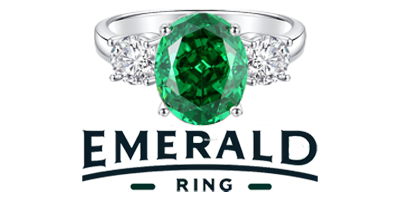
Every year, thousands of buyers overpay by hundreds — sometimes thousands — of dollars when purchasing an emerald ring. Some get scammed outright. Others simply miss better options because they didn’t know what questions to ask. One wrong decision at the point of purchase can mean paying double for something worth half as much.
Don’t be one of those buyers. Here are the 7 most costly emerald ring buying mistakes — and exactly how to avoid each one.
Mistake #1: Buying Without Certification
This is the single most common — and most costly — error buyers make.
Without a lab report from a reputable gemological institute (GIA, AGL, Gübelin, or GRS), you have no verifiable information about your emerald’s:
- Origin (Colombian, Zambian, Brazilian, etc.)
- Treatment level (oil, resin, etc.)
- Clarity grade
- Whether it’s natural or synthetic
A vivid green “Colombian emerald” at a flea market without certification is almost certainly misrepresented. Even reputable-seeming online sellers can and do misrepresent untreated stones as treated, Zambian as Colombian, and synthetic as natural.
How to avoid: Always demand a lab certificate. GIA reports for emeralds include a treatment disclosure. If the seller can’t or won’t provide certification, walk away — regardless of how beautiful the stone looks or how good the price seems.
Mistake #2: Ignoring Treatment Disclosure
Here’s something most buyers never learn until it’s too late: virtually all emeralds on the market are treated. Cedarwood oil is applied to fill surface-reaching fractures and improve clarity. This is an accepted industry practice — but only when properly disclosed.
The problem: many sellers don’t disclose treatment levels, or deliberately obscure them. “Natural emerald” is technically accurate even for heavily oiled stones — but heavily oiled stones depreciate faster and are less durable than minor-treated stones.
Treatment levels ranked from best to worst:
- Insignificant / None Detected: Premium pricing, excellent durability
- Minor: Standard, acceptable, good value
- Moderate: Below-average durability, reduced value
- Significant / Prominent: Poor durability, should be priced much lower
- Fracture-filled (resin/oil): High risk of damage, discoloration over time
How to avoid: Ask specifically: “What is the oil treatment level?” Look for language like “minor oil” or “insignificant oil treatment” in writing. If a seller uses vague terms like “ traditionally oiled” without specifics, that’s a red flag.
Mistake #3: Focusing Only on Color — Ignoring Clarity and Cut
Yes, emerald green is everything. But here’s the uncomfortable truth: two emeralds with identical color can look completely different — one breathtaking, one lifeless — based purely on clarity and cut quality.
A dark green emerald with heavy inclusions looks murky and flat. A slightly lighter emerald with excellent clarity and a precision cut will glow from within. Color gets you in the door; clarity and cut determine whether you stay.
The 4 Cs for emeralds (in order of importance):
- Color: Vivid, saturated green without yellow or blue modifiers
- 明瞭さ: As inclusion-free as possible — but remember, inclusions are natural
- Cut: Proportions that maximize brilliance and protect the stone
- Carat: Choose quality over size
How to avoid: Never evaluate an emerald by color alone. Examine the stone in multiple lighting conditions. Ask to see it under magnification. Compare multiple options before deciding.
Mistake #4: Choosing the Wrong Metal for Your Lifestyle
Not all metals are created equal for emerald settings — especially if your buyer leads an active lifestyle.
プラチナ is the gold standard (literally) for emerald rings. It’s hypoallergenic, doesn’t tarnish, and its naturally white color doesn’t compete with the emerald’s green. It’s also the most durable.
14K Gold offers excellent durability with warm color options (yellow, white, rose). It’s harder than 18K gold and resists scratches better.
18K Gold has richer color but is softer and more prone to wear over time. Fine for occasional-wear rings; less ideal for daily-wear engagement rings.
スターリングシルバー is affordable and beautiful but tarnishes and scratches more easily. Avoid for daily-wear engagement rings.
How to avoid: For an engagement ring worn daily, choose platinum or 14K gold at minimum. Ensure the setting has a protective bezel or halo design that shields the emerald’s edges — the most vulnerable part of any emerald cut.
Mistake #5: Ignoring the Return Policy and Warranty
Buying an emerald ring without understanding the seller’s return, exchange, and warranty policies is like buying a car without reading the fine print.
Emeralds are subjective. The stone that looked incredible in the seller’s photos or under their lighting may look different in your home. You need time to evaluate it properly.
How to avoid: Before purchasing, confirm the return window (minimum 14 days, ideally 30+), whether returns are free or incur shipping/restocking fees, what the warranty covers (stone integrity, prong loosening, etc.), and whether the seller offers a satisfaction guarantee. Reputable sellers stand behind their products with clear, customer-friendly policies.
Mistake #6: Not Confirming the Ring Size Before Buying
This one seems obvious — but it’s more common than you’d think.
Emerald rings are notoriously difficult to resize, especially those with:
- Emerald cuts (rectangular shape, tricky to resize without distorting)
- Bezel settings (metal surrounds the entire stone)
- Eternity bands (stones all the way around — cannot be resized at all)
- Platinum settings (harder to work with than gold)
A ring that’s even half a size off will feel uncomfortable daily and may even spin on the finger.
How to avoid: Use a professional ring sizer to measure the recipient’s ring finger — ideally at the end of the day when fingers are slightly larger. If you’re buying as a surprise, borrow a ring they already wear on the correct finger and have it professionally sized. When in doubt, size up slightly — it’s easier to add sizing beads (\$20–\$50) than to stretch a ring.
Mistake #7: Buying from Unverified or Unscrupulous Sellers
The emerald market attracts its share of bad actors: counterfeit stones, misleading descriptions, stolen imagery, and outright scams. A Google search for “emerald ring” returns thousands of sellers — and not all of them are legitimate.
Red flags to watch for:
- No physical address or phone number listed
- Prices that seem too good to be true (a 2-carat Colombian emerald in platinum for \$300? Not happening.)
- No customer reviews on third-party sites (only on their own website)
- Stock photos that appear on multiple websites
- No gemological certification offered
- Pressure tactics (“this deal ends tonight!”)
How to avoid: Buy from established sellers with verified reviews, transparent policies, and a track record you can verify. Check the Better Business Bureau, Trustpilot, and Google Reviews. A legitimate seller will be happy to answer your questions — and will never pressure you into a fast decision. Browse natural emerald rings そして lab-created emerald rings at verified retailers with full transparency on origin and treatment.
How to Verify Before You Buy: Your Pre-Purchase Checklist
Before handing over your money, run through this checklist:
- [ ] Lab certification included? (GIA, AGL, Gübelin, or equivalent)
- [ ] Treatment level disclosed in writing? (Minor oil or better)
- [ ] Origin confirmed on certificate? (Colombian, Zambian, etc.)
- [ ] Return policy reviewed? (Minimum 14-day return window)
- [ ] Warranty provided? (Covers stone integrity and setting)
- [ ] Ring size confirmed? (Or sizing plan in place)
- [ ] Metal type verified? (14K gold, platinum, etc.)
- [ ] Seller verified? (Reviews, physical address, contact info)
- [ ] Images match the actual product? (Ask for real photos if unsure)
- [ ] Payment method secure? (Avoid wire transfers for first-time purchases)
Ready to Buy Smarter?
Avoiding these emerald ring buying mistakes can save you hundreds — even thousands — of dollars while ensuring you get a ring that will be treasured for a lifetime.
Don’t gamble with your purchase. Demand certification, ask the hard questions, and never rush into a buying decision for a significant piece of jewelry.
Shop our certified emerald rings — every stone is lab-certified, fully disclosed, and backed by our satisfaction guarantee. Browse natural emerald rings そして lab-created emerald rings with complete transparency on origin, treatment, and quality.
Have questions before you buy? Our gemologists are here to help you make the right choice. Get in touch — no pressure, no obligation.
 English
 French
 German
 Italian
 Spanish
 Arabic
 Japanese
 Portuguese
 Korean
 Dutch
Dutch