
You wear your emerald ring every day — or at least, you want to. But the more you love your ring, the more it needs proper cleaning to stay beautiful. The problem? Many popular jewelry cleaning methods can actually damage your emerald instead of restoring it.
This guide covers exactly how to clean an emerald ring safely at home, what to avoid at all costs, how often to clean, and when it’s time to leave the job to a professional.
Why Not All Cleaners Are Safe for Emeralds
If you’ve cleaned a diamond ring before, you might assume the same methods work for emeralds. They don’t — and using the wrong approach can cause irreversible damage.
The Ultrasonic Cleaner Risk
Ultrasonic cleaners are a popular home and professional jewelry cleaning tool. They use high-frequency sound waves to create tiny bubbles that blast away dirt and grime. For diamonds, sapphires, and rubies, they’re generally safe and effective.
For emeralds, they’re dangerous. Here’s why:
- The vibrations can widen existing fractures in the stone
- Ultrasound waves can loosen emeralds from their settings
- If your emerald has been oil-treated (most are), the vibrations can push the oil out of fractures, leaving the stone looking cloudy and lifeless
Bottom line: Never put an emerald ring in an ultrasonic cleaner. This is the single most important rule of emerald jewelry cleaning.
Steam Cleaners
Similarly, steam cleaners expose emeralds to high heat and pressure that can damage oil treatments and crack fractures. Avoid steam cleaning emerald rings entirely.
Chemical Jewelry Cleaners
Commercial jewelry cleaning solutions are often too harsh for emeralds. Many contain ammonia, alcohol, or other solvents that strip oil treatments and dull the stone’s surface over time. Always check the label — but when in doubt, stick with gentle warm water and mild soap.
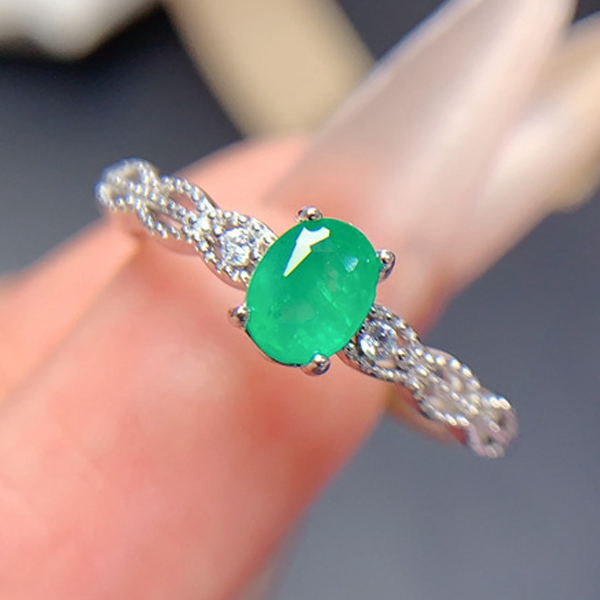
The Safe Home Cleaning Method: Step by Step
Good news: cleaning your emerald ring at home is simple, inexpensive, and takes less than 5 minutes when done correctly. Here’s the full process for how to clean an emerald ring safely.
What You’ll Need
- Warm (not hot) water
- A small bowl
- Mild, phosphate-free dish soap (like Dawn)
- A soft-bristled baby toothbrush or a jewelry brush
- A soft, lint-free microfiber or jewelry polishing cloth
- A strainer (optional, but prevents accidental ring loss down the drain)
Step 1: Prepare the Cleaning Solution
Fill a small bowl with warm water — comfortably warm to the touch, not hot. Add a single drop of mild dish soap and stir gently to create a light, soapy solution.
Step 2: Soak (Briefly)
Place your emerald ring in the solution and let it soak for 2–3 minutes. This loosens accumulated oils, soaps, and everyday grime without exposing the stone to harsh scrubbing. Don’t leave it soaking for extended periods — prolonged exposure to any liquid can weaken certain settings over time.
Step 3: Gently Brush
Using a soft baby toothbrush, gently brush the ring — including under the stone where grime builds up. Use light pressure and focus on:
- The underside of the emerald (where it meets the setting)
- The interior of the band
- Around the prongs or bezel setting
Use only back-and-forth or circular motions — never scrub aggressively. A light touch is more effective and much safer.
Step 4: Rinse
Rinse the ring under running warm water. This is where the strainer comes in handy — place the ring inside a fine-mesh strainer when rinsing to prevent it from slipping from your fingers into the drain.
Step 5: Dry and Polish
Pat the ring dry with a soft, lint-free cloth. Then gently polish the emerald itself with a clean section of the cloth using short, gentle strokes. This removes water spots and restores the stone’s natural shine.
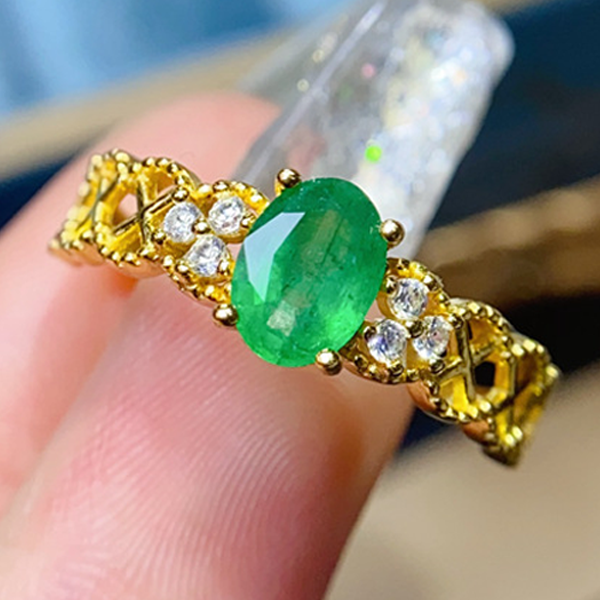
What to Absolutely Avoid
Now that you know the right method, let’s be crystal clear about the methods that should never touch your emerald ring:
- Ultrasonic cleaners: As discussed, the vibrations crack emeralds and damage oil treatments.
- Steam cleaners: High heat and pressure damage emeralds.
- Bleach or chlorine-based cleaners: Strip oil treatments, discolor the stone, and damage metal settings.
- Vinegar or lemon juice: Acidic substances etch the surface of emeralds over time.
- Abrasive toothpaste or baking soda: These scratch the stone’s surface and strip treatments.
- Boiling water: Extreme temperature changes cause thermal shock, which can crack emeralds.
- Paper towels or rough fabrics: Mildly abrasive; use only microfiber or dedicated jewelry cloths.
If your ring has been exposed to any of these, stop wearing it and consult a professional jeweler immediately for assessment.
How Often Should You Clean Your Emerald Ring?
The ideal cleaning frequency depends on how often you wear your ring and your lifestyle. As a general guide:
- Light wear (occasional): Clean every 2–3 weeks
- Daily wear: Clean once a week
- After heavy exposure: Clean promptly after wearing during cooking, exercise, gardening, or any situation where it collected significant grime
Between cleanings, you can maintain your ring’s appearance by wiping it with a soft cloth each time you remove it — this removes surface oils and fingerprints that build up daily.
When to Use Professional Cleaning
While home cleaning handles daily maintenance, certain situations call for professional intervention. Seek professional cleaning when:
- The stone appears cloudy despite home cleaning — this may indicate oil loss and may require re-oiling
- You notice buildup under the stone that brushing can’t remove
- The ring has been exposed to harsh chemicals and may have sustained damage
- It’s been more than 12 months since the last professional cleaning
- The setting appears loose — a professional should address this before any cleaning
Professional jewelers use specialized cleaning methods appropriate for emeralds, and they can simultaneously inspect the ring for any damage or wear. Just like choosing the right emerald ring, choosing the right jeweler matters for proper care.
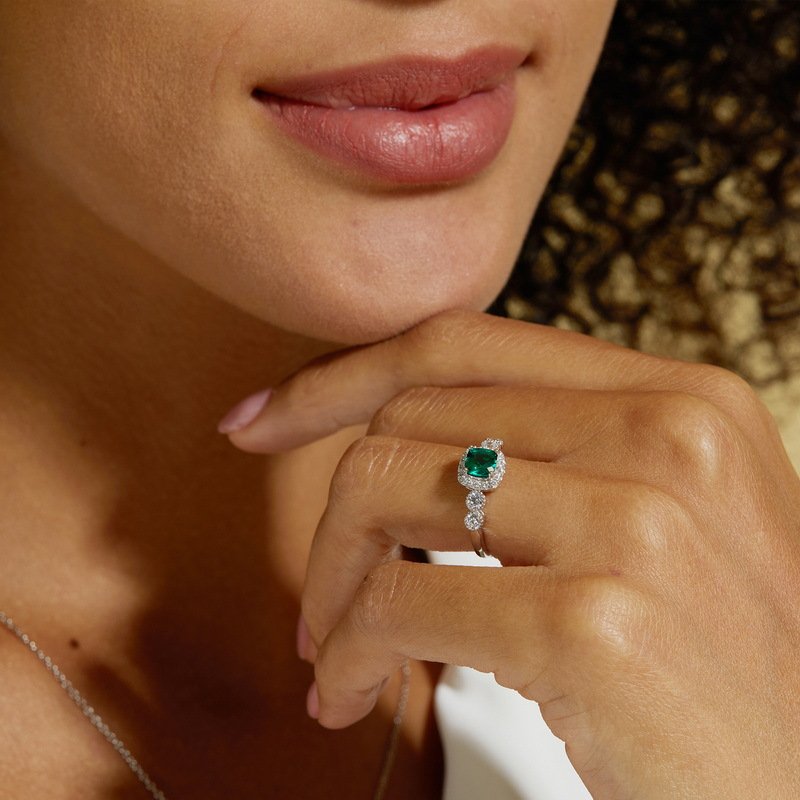
Drying and Polishing Tips
The final step in cleaning is often overlooked but makes a significant difference in the result:
Air Drying vs. Heat Drying
Never use a hair dryer, heat gun, or other heat sources to dry your emerald ring. Never place it in direct sunlight to dry. Allow it to air dry at room temperature, or pat dry gently with a soft cloth.
Polishing the Emerald
Once dry, use a clean microfiber jewelry cloth to gently polish the emerald’s surface. This removes any remaining water spots and brings back the stone’s characteristic luster. Use light, circular motions and avoid pressing hard on the stone.
Polishing the Metal
Use a separate section of the cloth (or a dedicated metal polishing cloth) to polish the ring’s band. Silver and gold polishing cloths are inexpensive and readily available. This keeps the setting looking as beautiful as the stone.
Keep Your Emerald Ring Beautiful for Years to Come
Knowing how to clean an emerald ring properly is one of the most valuable skills you can have as an emerald ring owner. The process takes just minutes, costs almost nothing, and makes an enormous difference in how your ring looks and lasts over time.
Remember the golden rules: gentle warmth and mild soap for home cleaning, professional service at least once a year, and never — never — use an ultrasonic or steam cleaner on an emerald.
Want to explore more ways to protect your investment? Browse our complete collection of emerald rings, each designed with care and meant to be enjoyed for a lifetime.
 English
 French
 German
 Italian
 Spanish
 Arabic
 Japanese
 Portuguese
 Korean
 Dutch
Dutch