SEO INTRO / META DESC: Learn how to tell if an emerald is real with this complete guide. Discover professional gem tests, red flags of fake emeralds, and how to verify your stone’s authenticity before you buy.
The global market for gemstones is a multi-billion-dollar industry—and like any lucrative market, it attracts its share of fraud. Fake emeralds flood online marketplaces, pawn shops, and even some jewelry stores, leaving unknowing buyers thousands of dollars poorer and holding glass in a gold setting. If you’ve ever wondered how to tell if an emerald is real, you’re not alone—and you’re asking exactly the right question before making a purchase.
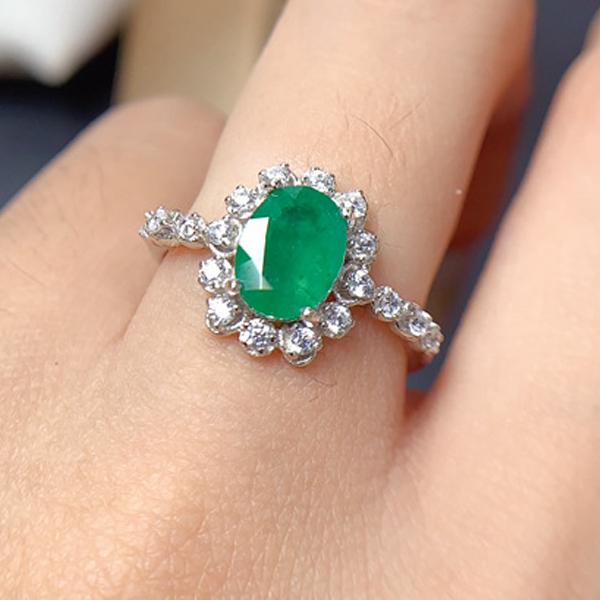
Whether you’re buying an smaragd verlovingsring for your partner, investing in a natural emerald ring as a family heirloom, or evaluating a gemstone you’ve inherited, knowing how to spot a fake emerald can save you from a costly mistake.
Why Fake Emeralds Are a Big Problem
The value of a genuine Colombian or Zambian emerald authenticity test begins with understanding the scale of the problem. According to industry reports, synthetic gemstones, glass imitations, and treated stones are routinely misrepresented as natural emeralds. Here’s why this matters:
- A real 1-carat Colombian emerald of gem quality can cost anywhere from $1,000 to $5,000+.
- Synthetic emeralds (created in labs) cost a fraction of that—sometimes under $100.
- Glass imitations may cost less than $10 to produce but sell for hundreds as “emerald.”
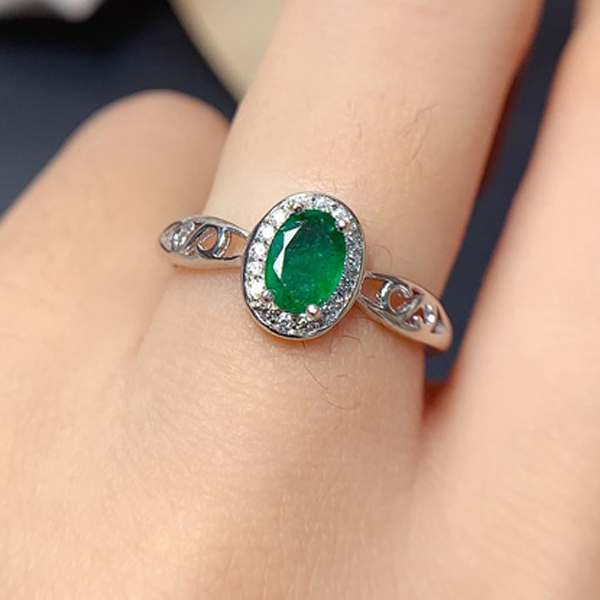
Beyond cost, there’s the emotional weight of purchasing something you believe is real—and the betrayal when you discover it isn’t. This is especially painful with smaragd verlovingsringen, where the symbol of your commitment deserves to be authentic.
At-Home Real vs. Fake Tests: How to Spot Fake Emerald Stone Yourself
Before you head to a gemologist, there are several emerald authenticity test methods you can try at home. None are foolproof on their own, but together, they paint a clear picture.
1. Visual Inspection: Look for the Jardin (“Garden”)
Gemologists use the French word jardin (garden) to describe the internal inclusions that are the hallmark of a natural emerald. These inclusions look like tiny gardens of crystals, liquid fingerprints, or feather-like fractures inside the stone.
Here’s how to inspect:
- Hold your emerald under a bright, direct light or in natural sunlight.
- Use a 10x jeweler’s loupe (a small magnifying glass, available online for under $20).
- Look deep into the stone—not just at the surface reflections.
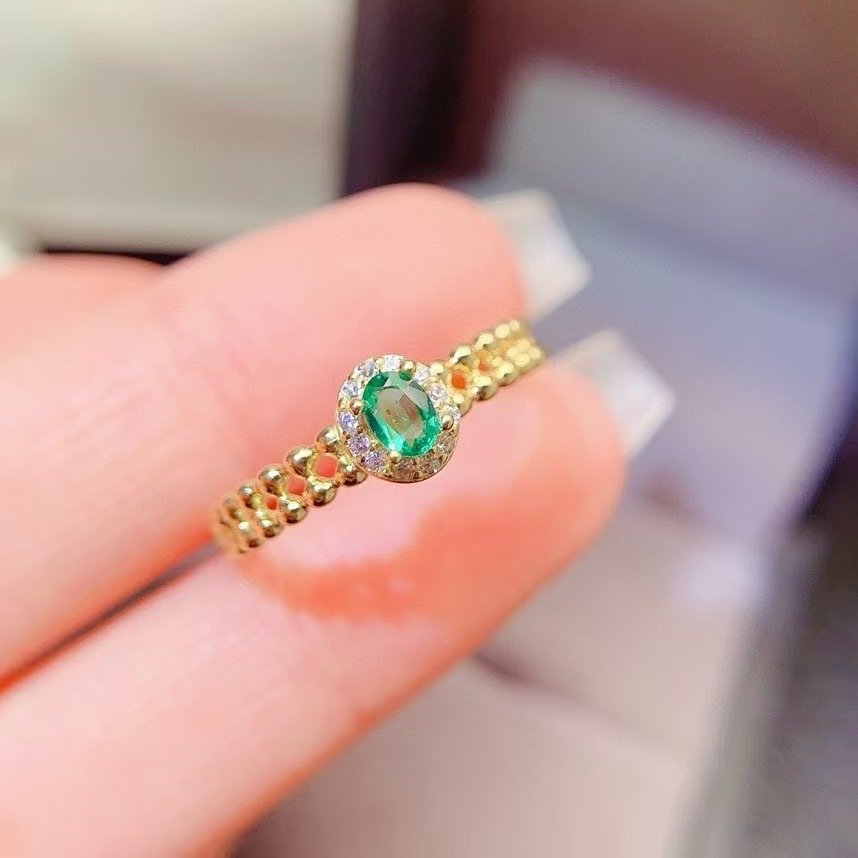
What to look for:
- Three-phase inclusions: Tiny pockets containing a liquid, a crystal, and a gas bubble. These are nearly impossible to replicate artificially.
- Parallel color banding: Fine lines of lighter and darker green running through the stone.
- Unduloyant extinction: A wavy, rolling pattern of dark and light green as you rotate the stone.
Red flags: If the stone looks perfectly clean with zero inclusions under 10x magnification, it may be a synthetic emerald (which can also be beautiful, but should be sold as lab-grown, not natural). Perfect clarity is rare in natural emeralds—it’s actually suspicious.
2. Color Zoning: The Natural Fingerprint
Natural emeralds grow in hexagonal crystals, and their color distribution isn’t always even. You may notice bands or zones of slightly different green intensity within the same stone. This is called color zoning, and it’s a sign of natural formation.
Fake emeralds—especially glass—are typically uniform in color because they’re manufactured in molds or through processes that produce even coloring. Hold your stone under light and tilt it slowly. Do you see areas of lighter or darker green that shift as you rotate it? That’s a good sign.
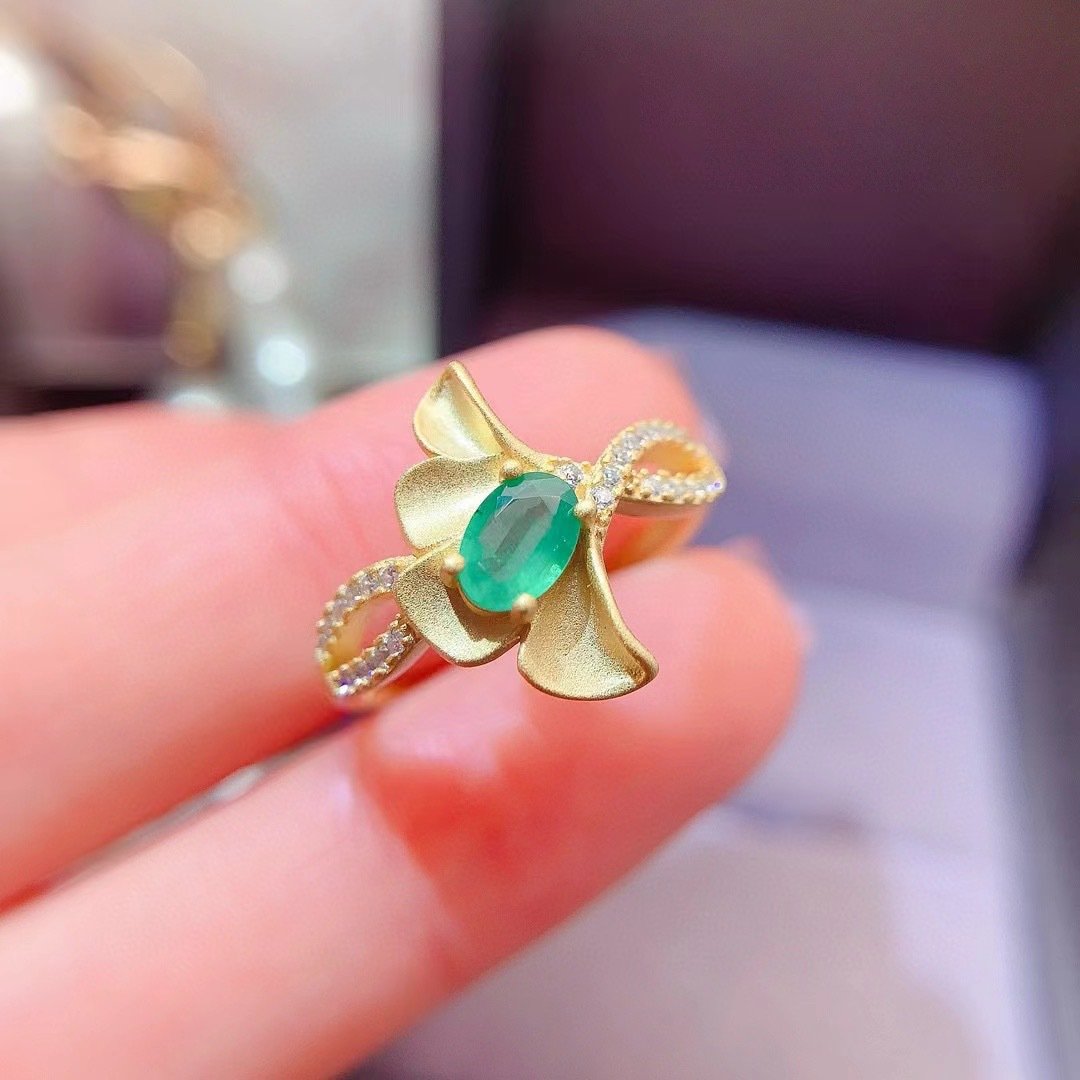
3. UV Light Test: Fluorescence Clues
Ultraviolet (UV) light can reveal information about an emerald that isn’t visible to the naked eye. You don’t need an expensive UV lamp—a $10 blacklight flashlight works fine.
What to look for:
- Most natural emeralds show weak to moderate red fluorescence under long-wave UV light. Colombian emeralds are famous for their beautiful, faint reddish glow.
- Synthetic emeralds often glow more intensely—or show no fluorescence at all depending on the method of synthesis.
- Glass imitations typically show no reaction or a different color entirely.
Don’t rely on this test alone—some natural emeralds show no fluorescence, and some synthetic stones can mimic the reaction. Use it as one data point among several.
4. Hardness Test: Where Does Emerald Rank?
The Mohs hardness scale measures a mineral’s resistance to scratching. Emerald ranks 7.5–8 on this scale—harder than steel (5.5–6.5) but softer than sapphire and diamond (9 and 10, respectively).
Quick hardness test:
- Try to scratch the stone gently with a piece of quartz (hardness 7). If it scratches easily, it’s not emerald—it may be glass (hardness 5–6) or another softer material.
- Try scratching a piece of glass with your emerald. If it scratches the glass, your stone is relatively hard—which is consistent with emerald, though not conclusive on its own.
⚠️ Important: Never use a diamond-tipped tool on a gemstone you’re testing—diamonds will scratch everything. Use quartz, glass, or steel instead.
5. Weight & Temperature: The Feel Test
Natural emeralds have a specific gravity between 2.7 and 2.9, which is notably different from glass (2.2–2.5) and many other imitations.
Practical observation:
- A natural emerald will feel heavier than a glass stone of the same size.
- Emerald feels cool to the touch initially—much like a glass stone—but genuine emerald retains that coolness slightly longer because of its density.
- Tap the stone gently against your teeth (the “bite test”). Emerald produces a slightly higher-pitched, more crystalline sound than glass. This is subtle but can be telling.
Professional Gemological Tests: When to See a GIA-Certified Gemologist
At-home tests are useful for screening, but nothing replaces the analysis of a trained gemologist with professional-grade equipment. If you’re spending serious money on an smaragd verlovingsring, a professional emerald authenticity test is worth every penny.
What a Gemologist Looks For
A GIA-certified gemologist will examine your stone using:
- Refractometer: Measures how light bends through the stone. Emerald has a refractive index (RI) of 1.577–1.583.
- Polariscope: Determines whether the stone is singly or doubly refractive—natural emerald is doubly refractive.
- Spectroscope: Reveals the absorption spectrum unique to chromium (the element that gives emerald its green color).
- Chelsea Filter: A special green filter that makes natural emeralds glow red.
- Microscopy: High-powered magnification to identify inclusion patterns and confirm natural origin.
Typical cost: A gemological identification report from a reputable lab typically costs between $50 and $200, depending on the stone’s size and the depth of analysis required.
GIA vs. Other Laboratories
De Gemological Institute of America (GIA) is the gold standard for gem identification. Other respected labs include the American Gemological Laboratory (AGL), Gübelin, and SSEF. When purchasing a high-value emerald, always ask for a report from an accredited gemological laboratory.
How to Read a Gem Report for Authenticity
A gemological report (also called a lab report or certificate) is your most reliable proof of authenticity. Here’s what to look for:
Key sections of a gem report:
- Identification: Confirms the stone is “Natural Emerald” (not synthetic, not a simulant like green glass).
- Gewicht: The carat weight of the stone.
- Dimensions: Length, width, and depth in millimeters.
- Cut/Shape: Describes the cutting style (oval, emerald cut, pear, etc.).
- Color: A standardized color grade (though color assessment varies by lab).
- Duidelijkheid: Inclusion assessment—Type I, Type II, or Type III stones (most emeralds are Type III, meaning inclusions are expected).
- Treatments: Crucial section. Untreated emeralds command a significant premium. If the report says “no indications of treatment,” the stone is unheated and unoiled. Many emeralds on the market are clarity-enhanced with oils or resins—and this should be disclosed.
- Origin: Some advanced reports identify the geographic source (Colombian, Zambian, Brazilian). This affects value significantly.
Red Flags: Signs of a Fake Emerald
Armed with the knowledge above, here are the specific warning signs that should make you walk away—or at least pause and seek professional verification:
- Price too good to be true: If a 2-carat natural emerald ring costs $200, it’s not a real emerald. Natural gem-quality emeralds have a floor price—there’s no bargain hunting in this market.
- “Perfect” clarity: Emeralds are rarely flawless. If a stone looks perfectly clean at 10x magnification, it’s almost certainly not natural—or it’s a very expensive synthetic.
- No certificate or vague origin claims: Reputable sellers always provide—or at least offer access to—gemological documentation.
- Labels like “emerald colored” or “emerald look:”: These are admissions that the stone is not actually emerald. A green glass stone may be legally sold as “emerald-colored glass” but ethically should never be called “emerald.”
- Resistance to basic inspection: If a seller refuses to let you examine the stone closely, that’s a major red flag.
- Inconsistent color: While some color zoning is natural, large swaths of dramatically different colors across the stone may indicate a doublet (a layered stone with a real emerald top and glass bottom).
- No inclusions at all: Combined with a low price, this is nearly a guarantee of a synthetic or glass stone.
Where to Buy Authentic Emeralds
The best protection against fake emeralds is buying from a trusted, transparent source. Here’s what to look for:
- Reputation and transparency: Choose a retailer that clearly discloses treatment status, origin, and provides gemological certificates for higher-value stones.
- Return policy and guarantee: Only buy from sellers who offer a clear return policy. SmaragdenRing.nl provides detailed product information and a buyer protection policy so you can shop with confidence.
- Gemological support: Reputable sellers partner with certified gemologists and provide documentation for their stones.
- Real customer reviews: Independent reviews and testimonials reveal the real-world experience of buyers—were they satisfied? Did the stone match the description?
- Physical address and contact information: Legitimate businesses don’t hide their contact details.
Op SmaragdenRing.nl, every smaragd ring is sourced with traceability, and product pages include detailed gemstone information to help you make an informed decision.
Conclusion: Trust Your Eye, Trust the Science
Learning how to tell if an emerald is real is a combination of observation, knowledge, and when in doubt, professional verification. Start with at-home visual and hardness tests. When you’re ready to commit to a purchase—particularly for a significant piece like an smaragd verlovingsring—request a gemological report from a reputable laboratory.
The beauty of emerald is undeniable. Its rich, verdant green has captivated humanity for thousands of years. Make sure the emerald you own—or gift—is the real thing, backed by science and transparency.
Ready to explore authentic, ethically sourced emerald rings? Browse the full collection at EmeraldsRing.com and find a piece you’ll treasure for generations.
 English
 French
 German
 Italian
 Spanish
 Arabic
 Japanese
 Portuguese
 Korean
 Dutch
Dutch